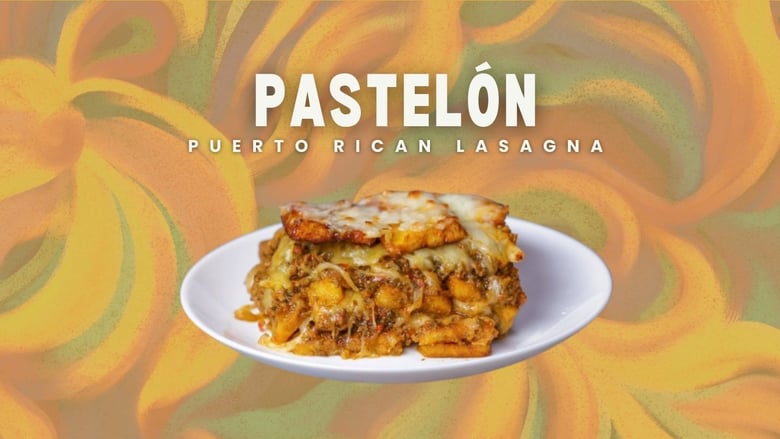
Pastelón (Puerto Rican Lasagna)
Pastelón
Puerto Rican plantain lasagna with seasoned ground meat, green olives, and melted cheese.
Pastelón is the Puerto Rican version of lasagna and is one of my favorite meals! Instead of pasta noodles, this dish uses layers of golden-fried sweet plantains as the base. Between those plantain layers, you find savory ground beef or turkey seasoned boldly with adobo and sazón, combined with tomato sauce, bell pepper, onion, briny green olives, and herbs. Then everything is bound together with beaten eggs and topped with melted mozzarella cheese.
The magic of pastelón is the contrast: the crispy, slightly sweet fried plantain layers against the intensely savory, herb-forward picadillo. The eggs bind everything together like a creamy béchamel would in traditional lasagna. When it comes out of the oven, bubbling and golden, the cheese melted over the top, you have a complete, comforting meal that's hearty enough for a family dinner and impressive enough for company.
This is the kind of recipe that gets better as it sits and the flavors meld together. It's perfect for meal prep, and it reheats beautifully. Serve it warm with a simple green salad and white rice, and you've got a restaurant-quality Puerto Rican dinner on your table. One bite and you'll understand why this is a beloved comfort food across the Caribbean.
Why This Recipe
It's a complete, impressive main course. One casserole dish, three components (plantains, meat, cheese), and you have a full meal. This isn't a side—this is dinner.
It uses abundant plantains in a savory, sophisticated way. If you have those 30 ripe plantains, this is a way to use them that transforms them into something elegant. Frying them brings out their natural sweetness and creates a crispy, substantial base.
The flavor profile is complex and exciting. Adobo + sazón + sofrito + olives + capers + tomato = a savory depth that's bold without being overwhelming. Every bite has layers of flavor.
It's authentically Puerto Rican and Caribbean. This is how families in Puerto Rico, the Dominican Republic, and across the Caribbean have been cooking for generations. You're honoring that culinary tradition.
It makes your kitchen smell amazing while it bakes. That combination of fried plantains, sofrito, adobo, olives, and melting cheese? It's intoxicating. Your guests will be asking what smells so good before they even sit down.
About the Ingredients
🍌 The Plantains (The Base)
You want plantains that are breaking down—soft, sweet, ready to fry. The riper the plantain, the sweeter the crust will be. Slice them lengthwise into thin strips (about ¼ to ½ inch thick), then fry them until golden brown on both sides. They'll be crispy on the outside, tender on the inside. This is where the structure and texture of the entire dish come from.
🥩 The Picadillo (Seasoned Ground Meat)
The seasonings combine to create the bold, herb-forward flavor that defines Puerto Rican cuisine. Sofrito is the base of flavor—don't skip it.
🧀 The Cheese & Binder
The cheese melts over the layers and creates that creamy, gooey quality. The beaten eggs act like a béchamel sauce in traditional lasagna—they bind all the layers together and add richness. This is why you pour the eggs over the casserole before baking.
Pro Tips
- Use ripe plantains—yellow with black spots. Green or mostly yellow plantains are starchy and won't taste right. You want sweet plantains that are soft enough to slice easily.
- Fry the plantain slices in batches so they fry evenly. Overcrowding the pan lowers the oil temperature and makes them soggy instead of crispy. One or two slices at a time is ideal. If you have an air fryer, you can air-fry them at 400°F for about 7 minutes with cooking spray—less oil, same result.
- Drain the fried plantains well on paper towels. Excess oil will make the pastelón greasy. Pat them dry before layering.
- Sofrito (or recaito) is non-negotiable. This is the base flavor of Puerto Rican cooking. If you can't find sofrito, use cilantro, garlic, and a bit of olive oil sautéed together. The flavor won't be identical, but it will still be good.
- Don't skip the adobo and sazón seasonings. These are what make this taste authentically Puerto Rican. Adobo is garlic powder, oregano, black pepper, and salt. Sazón is cumin and annatto. Together, they're essential.
- The beaten eggs are your binder. Just like you'd use béchamel in traditional lasagna, the eggs here hold the layers together and add creaminess. Pour them evenly so they distribute throughout.
- Layer strategically: plantains, meat, cheese, then repeat. Start with a layer of plantains on the bottom, then meat sauce, then sprinkle cheese. Repeat so you have multiple layers. Finish with plantains on top.
- Bake at 350°F for 20–25 minutes until bubbly and golden. The casserole is done when the cheese is melted and the edges are bubbling. Don't overbake or the eggs will toughen.
- Let it rest for 10 minutes before cutting. This is crucial. The pastelón needs time to set so the layers hold together when you cut it. Cutting too early will result in a mushy, falling-apart casserole.
- Serve with white rice, a simple green salad, or Arroz con Gandules. The rice balances the richness of the casserole. A fresh salad cuts through the heaviness beautifully.
- This makes excellent leftovers and freezes well. Reheat gently in the oven to restore the melted cheese quality. It actually tastes better the next day once the flavors have melded.
Recipe
Ingredients (Serves 8)
For the Plantains:
- 4 ripe plantains (yellow with black spots), about 3–3.25 lbs
- ½ cup vegetable oil (or more as needed for frying)
- Salt to taste
For the Picadillo (Meat Filling):
- 1 lb ground beef or ground turkey
- 1 small white onion, minced (about 1 cup)
- 1 green bell pepper, minced (about 1 cup)
- 1 tbsp sofrito or recaito flavoring base (or 2 tbsp chopped fresh cilantro mixed with sautéed garlic)
- 1 tsp adobo seasoning blend
- 1 tsp dried oregano
- 1 tsp sazón seasoning blend (optional but recommended)
- 1 tsp capers
- 6 pimiento-stuffed green olives, sliced
- 1 cup tomato sauce
- Salt and black pepper to taste
For Assembly:
- 2 cups shredded mozzarella, cheddar, or Monterey Jack cheese, divided
- 2 large eggs
- Oil for baking dish
Instructions
- Preheat oven to 350°F.
- Peel the ripe plantains and slice them lengthwise into strips about ¼ to ½ inch thick. In a large deep skillet, heat ½ cup vegetable oil over medium-high heat until shimmering.
- Frying in batches (one or two slices at a time to avoid crowding), add plantain slices and fry until golden brown on both sides, about 2–3 minutes per side. Transfer to a paper towel-lined plate and season lightly with salt. Set aside.
- Wipe the skillet clean with a paper towel. Heat 1 tbsp oil over medium heat. Add minced onion and bell pepper, sauté until the onions become translucent, about 5 minutes.
- Add ground beef and cook, breaking it up as it browns, until mostly cooked, about 5–6 minutes. Remove from heat and drain any excess oil or water.
- Return the skillet to medium-low heat. Add sofrito (or recaito), adobo, oregano, sazón, capers, and olives. Stir well to combine.
- Add tomato sauce to the skillet and bring to a simmer. Reduce heat to low and simmer for 10–15 minutes, stirring occasionally, until the meat is fully cooked and the flavors have melded. Season with salt and black pepper to taste.
- In a small bowl, lightly whisk the two eggs together.
- Oil a 9x13-inch baking dish lightly. Layer as follows: Start with a layer of fried plantain slices covering the bottom of the dish (about ⅓ of the plantains). Spread half of the meat mixture evenly over the plantains. Sprinkle ½ cup of cheese over the meat. Pour about ⅓ of the egg mixture over the cheese layer.
- Repeat the layers: another layer of plantains (⅓ of them), the remaining meat mixture, another ½ cup of cheese, and the remaining egg mixture.
- Top with the final layer of plantain slices (the remaining ⅓). Tap the baking dish on the counter a few times to help ingredients settle and release air bubbles.
- Sprinkle the remaining 1 cup of cheese evenly over the top layer of plantains. Bake at 350°F for 20–25 minutes, until the cheese is melted, bubbly, and the edges are golden brown.
- Remove from oven and let cool for at least 10 minutes before cutting and serving. This resting time is crucial—it allows the layers to set so they stay intact when you slice.
- Serve warm with white rice and a simple green salad.
About plantain ripeness: Use ripe plantains (yellow with black spots, soft to the touch). They must be ripe enough to be sweet. If you only have yellow plantains, let them ripen on your counter for a few days. Green plantains will taste starchy and wrong.
About frying the plantains: You can also air-fry them at 400°F for about 7 minutes if you want to reduce oil. The texture will be slightly different but still delicious. Or, you can bake them at 400°F for 12–15 minutes until golden, though they won't have quite the same crispy texture as fried.
About sofrito: Sofrito is a Latin seasoning base of cilantro, peppers, onions, and garlic. It's available in jars in most supermarkets (especially in the Hispanic section). It's worth seeking out—it's the soul of this dish. If you truly can't find it, sauté fresh cilantro and garlic in olive oil as a substitute.
About adobo and sazón: These are Latin seasoning blends available in the international aisle of most grocery stores. Adobo is typically garlic powder, oregano, black pepper, and salt. Sazón usually contains cumin and annatto (what gives it color). They're inexpensive and worth having on hand for any Latin-inspired cooking.
About the resting time: This is absolutely critical. The egg mixture needs to set so the layers hold together. If you cut it too early, it will fall apart. Wait the full 10 minutes—it makes all the difference.
About leftovers and freezing: This reheats beautifully. Wrap leftovers and refrigerate for up to 4 days, or freeze for up to a month. Reheat gently in a 350°F oven to restore the melted cheese quality. The flavors actually intensify after a day, so it tastes even better the next day.
About serving: Serve with plain white rice (jasmine or Arroz Rico work beautifully) and a simple green salad with lime vinaigrette. The rice soaks up the savory flavors, and the salad cuts through the richness. This is a complete meal—hearty, satisfying, and authentic.
Discover More Recipes
Browse our Food category for all things food, including more delicious recipes using what grows best in Panama.
EXPLORE MORE RECIPES